Why Equipment And Appearance Matter In Your Security Program

When a tenant, resident, visitor, or employee walks onto your property, they see a uniform long before they ever read a contract. That first impression can relax people or make them uneasy. A clear, consistent look with the right equipment sends a simple signal: someone is paying attention here.

Our officers work in office towers, warehouses, logistics yards, HOAs, apartment communities, retail centers, clinics, hospitals, schools, and event venues. Each setting needs a slightly different style, but the aim is steady. Guards should look prepared, approachable, and in control without looking aggressive.

We follow a non-confrontational approach that is also taught in modern law enforcement training circles in Los Angeles County. Officers are expected to use verbal skill, clear body language, and good judgement first. Equipment supports that, it does not replace it.
patrol-fds-security
fdsguard8

Uniform Standards And Officer Presentation

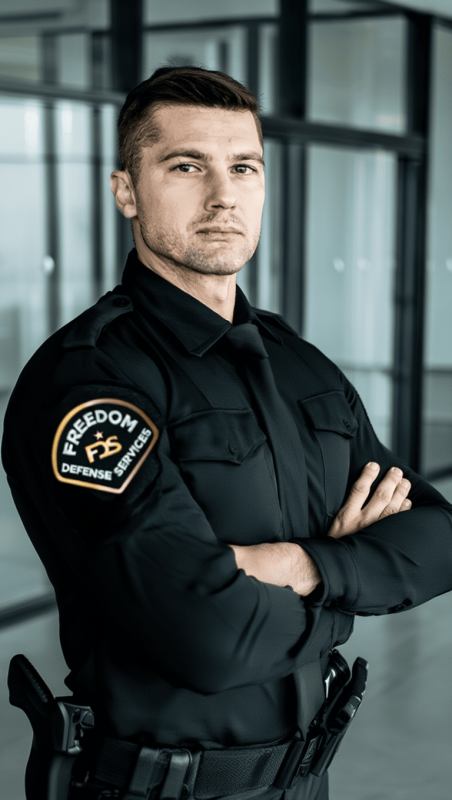
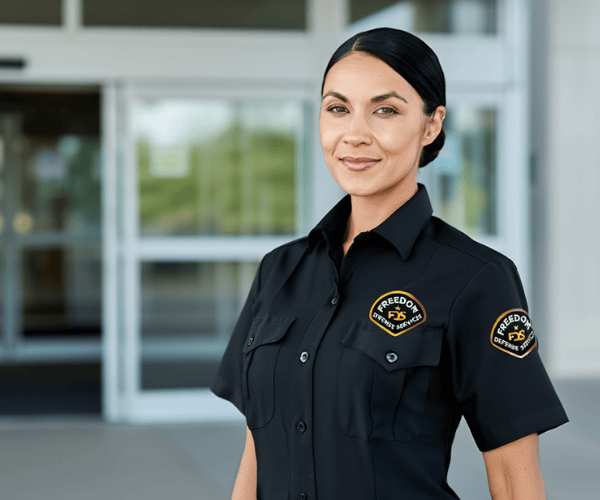
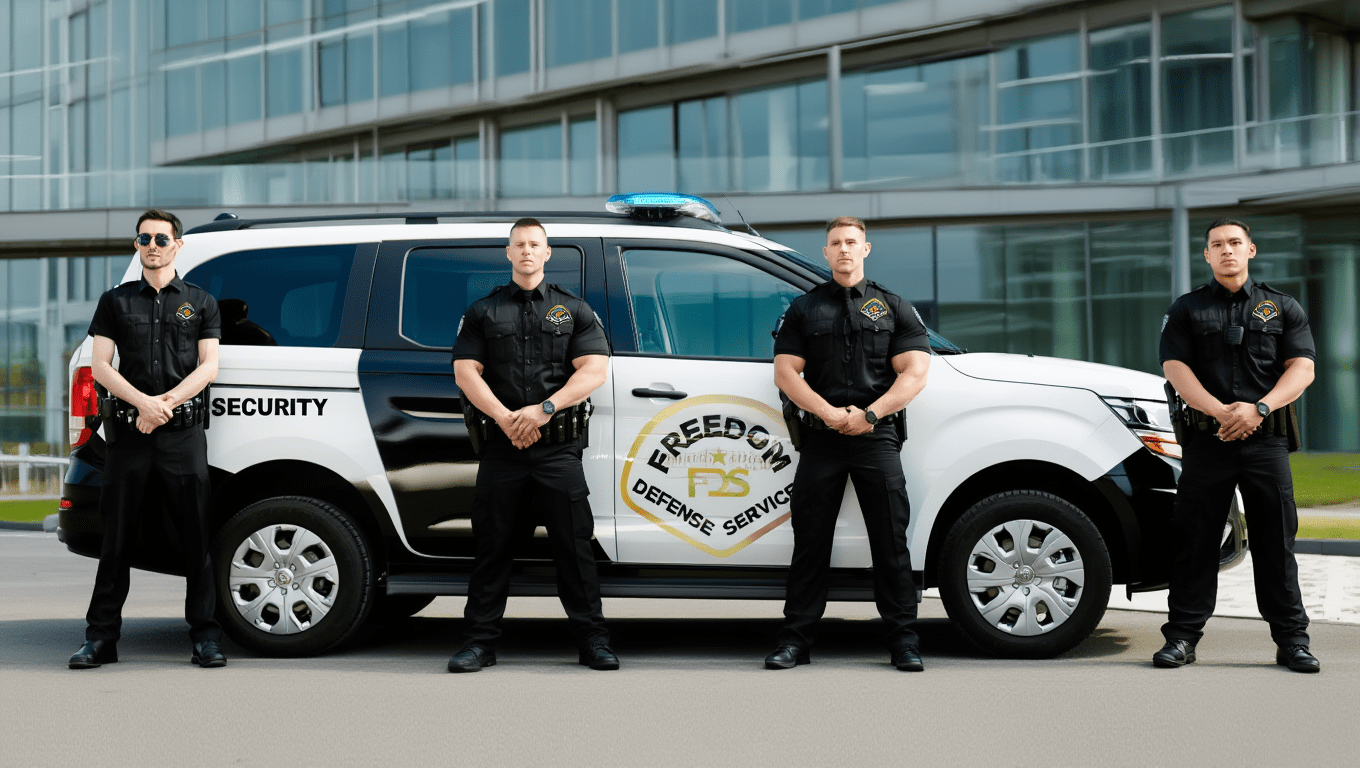
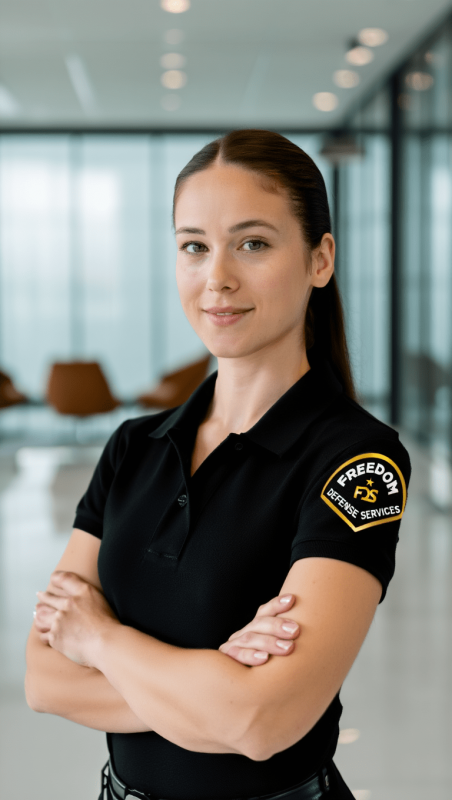
Uniforms are a core part of how Freedom Defense Services represents you in Southern California. Officers do not arrive in generic shirts from a rack. Every officer receives properly fitted uniforms that match their role and your property type.

Standard elements usually include:

  • Company shirt with clear identification and patches
  • Duty pants suited to patrol work
  • Duty belt with the equipment that post orders require
  • ID badge that is visible
  • Appropriate footwear for long hours on post or patrol

For higher profile corporate sites or Class A office buildings, uniforms may lean more formal. For residential or HOA communities, we can soften the look slightly so guards still appear professional without feeling out of place among families and long-term residents. For industrial and logistics locations, durability and visibility take priority.

Grooming and personal presentation are part of the standard. Officers are expected to keep uniforms clean, maintain neat hair and facial hair, and present themselves in a way that builds trust. During Selection of Personnel and Training Format and Curriculum, we make it clear that poor appearance affects assignments and advancement.

Armed security officers carry additional equipment by law and by contract. The firearm, holster, and related gear must meet BSIS requirements and company policy. These posts are assigned only when your risk, your insurer, and your contract language call for them.

patrol-fds-security

Marked Patrol Vehicles For Mobile Security

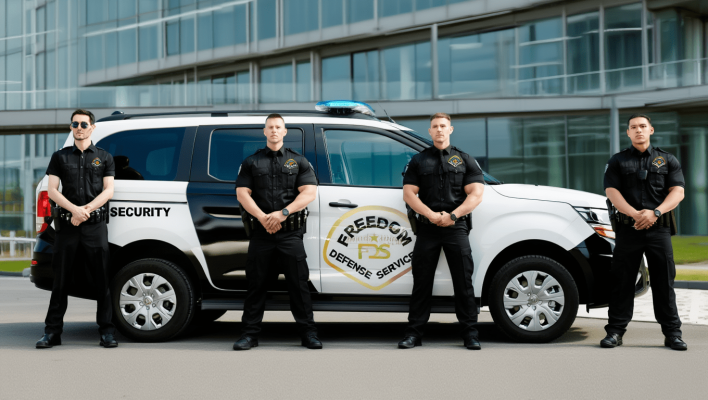
Mobile patrol is a major part of security work across Los Angeles, Orange County, San Diego, and the Inland Empire. To support that work, Freedom Defense Services operates marked patrol vehicles that are easy to see and easy to recognize.

Patrol vehicles generally carry:

  • Company markings on doors or panels
  • Emergency lighting that meets local rules
  • Two way radios or mobile communication devices
  • GPS tracking so supervisors know where patrols run

In parking lots, garages, industrial parks, and large residential communities, a marked patrol vehicle sends a strong message to anyone considering trespassing or theft. Clients see this most clearly at night, when a patrol car passes repeatedly through darker areas and back corners that often attract problems.

Patrol routes and timing are laid out on Site Specific Training & Post Orders and adjusted through Program Management. That structure makes sure vehicles are not just circling at random but are focusing on real risk areas based on your incident history.

Radios, Dispatch, And Communication Equipment

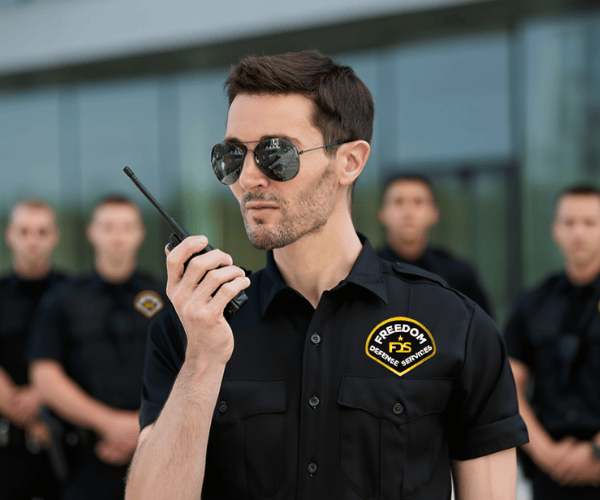
Good security in Southern California depends on clear communication. Officers on foot, in lobbies, at gates, and in vehicles need to reach each other and our office quickly. Radios and other communication tools are how they do that.

We typically equip guards with:

  • Handheld two way radios with clear channel plans
  • Earpieces or speaker mics where privacy or noise levels require it
  • Access to a dispatch line for urgent contact with supervisors

Where cellular coverage and client policies allow, officers may also carry work phones or use secure mobile apps for reporting and messaging. Dispatch staff and supervisors monitor radio traffic so they can support officers during alarms, disturbances, or medical events.

Training on radio use happens during Training Format and Curriculum and is reinforced by real practice in your environment during Site Specific Training. Officers learn not just what to say, but how to say it clearly and calmly when something serious happens.

fdssecurity2

Reporting Tools, Guard Tour Systems, And Documentation

Equipment is not only what you see on a belt. It also includes the tools used for documentation. Property managers, asset managers, and HOA boards in California want more than a verbal “everything was quiet.” They want records.

We work with both traditional written reports and digital systems. Officers can use:

  • Daily activity report templates that capture routine patrols and contacts
  • Incident report forms with sections for time, location, people, actions, and follow up
  • Guard tour systems that confirm patrol routes using tags or checkpoints
  • Photo capture where client policies allow it

These tools support the Program Management process. Managers review reports to identify patterns, spot recurring problem areas, and adjust staffing or patrol focus. For clients who need to justify security spend to owners or boards, this documented record is often as valuable as the physical presence itself.

Digital setups are explained during site specific training so guards know exactly how you want things recorded at your location.

fdsguard6
fdssecurity1

Safety Gear, Lighting, And Fire Watch Equipment

Many incidents are less about confrontation and more about safety. Officers need simple, reliable tools for that side of the job.

Depending on the site and post orders, equipment may include:

  • High quality flashlights for night patrols and stairwells
  • Reflective vests for directing traffic or working in parking areas
  • Traffic cones or wands for temporary control points
  • Basic first aid kits for immediate care until medical teams arrive
  • Clipboards, log sheets, and timing devices for formal fire watch

For fire watch assignments, officers follow strict procedures from local fire code and client policies. They carry logs, walk pre-set routes at exact intervals, and record each round in a way that holds up for inspectors and insurers. These duties tie back to Security Guard Services and, where needed, to Consulting and Investigative Services when clients need help with fire life safety planning or code questions.

Matching Equipment To Specific Sites Across Southern California

Equipment for a Beverly Hills style HOA is not the same as equipment for a warehouse complex near the Port of Los Angeles or a distribution hub in the Inland Empire. Program managers look at your site profile from Staffing Your Facility and Site Specific Training and then settle on the right mix for each post.

Some examples:

  • High-end residential and condo towers may lean toward a crisp uniform with minimal visible gear and a focus on radios and low-profile tools.
  • Logistics yards and warehouses in Riverside or San Bernardino counties may need high-visibility vests, strong flashlights, rugged footwear, and clearly marked patrol vehicles.
  • Retail centers in Orange County and San Diego may benefit from a very visible officer presence with clear markings, while still keeping the posture friendly for shoppers and families.

These choices are not random. They grow out of your risk profile, your brand, and your past incident history, and they are recorded in post orders so that new officers know what to wear and carry from the first shift.

fdssecurity4

Talk With Freedom Defense Services About Security Equipment For Your Property

If you want guards who look sharp, carry the right equipment, and fit the tone of your property in Southern California, we can walk you through what that setup looks like.

Call (714) 356-8674, send a message through our Contact Us page, or request a proposal through Get a Security Quote. We will review your sites in Los Angeles, Orange County, San Diego, the Inland Empire, or elsewhere in California, and build a security program where uniforms, vehicles, radios, and reporting tools all support the safety plan you already have in mind.